
By Hauwa’u Sani
POLITICS DIGEST — Primary healthcare centres (PHCs) are the first point of contact for many communities seeking medical care. When these facilities are renovated, residents expect better services, safer buildings, and improved access to healthcare.
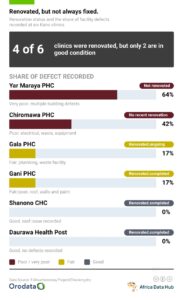
However, renovation is only the beginning. Maintaining the improvements, providing essential equipment, ensuring a steady supply of water and electricity, and employing enough health workers are equally important. During a follow-up visit to selected primary healthcare centres in Kano State in 2026, this reporter observed that while some facilities had received renovations and improved equipment others continued to face problems that could affect the quality of care.
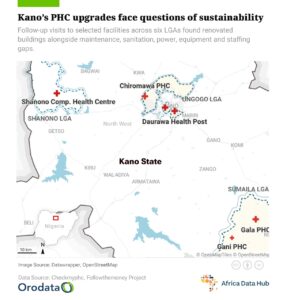
The visits covered facilities in Sumaila, Tudun Wada, Tarauni, Shanono, Ungogo and Tofa local government areas. The findings showed different levels of progress from renovated buildings with remaining maintenance problems to facilities still waiting for major repairs.
The central question is whether the improvements made to these health centres can be sustained and who is responsible for ensuring that they continue to serve their communities.
Renovation does not end the challenges
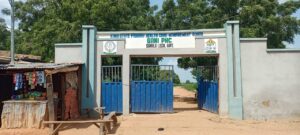
At Gani Primary Health Centre in Gani Ward, Sumaila Local Government Area, renovation work was completed in September 2025 through the support of UNICEF, the National Primary Health Care Development Agency (NPHCDA), the Kano State Government and the Foreign, Commonwealth and Development Office (FCDO).
During the follow-up visit, the facility had been patched and painted, and solar-powered water was available. Drugs were also available at the centre.
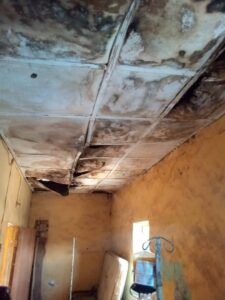
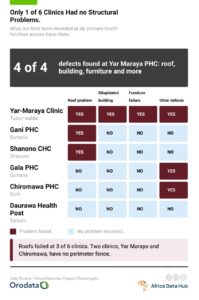
However, the condition of the building raised concerns about how long the improvements would last. Paint was already peeling from some areas, and the roof was leaking.
Although drugs were available, not all patients could afford the medicines they needed.
The Officer in Charge said the condition of the facility was beyond what the health centre could address on its own. Health workers expressed satisfaction with the improvements but indicated that there was little they could do about the remaining problems.
The situation at Gani shows that completing renovation work does not automatically mean that a facility is free from maintenance challenges.
Without a clear arrangement for repairs and regular maintenance, problems such as leaking roofs and peeling paint could continue to affect the building even after renovation.Water and sanitation remain concerns
At Gala Primary Health Centre in Sumaila LGA, renovation work was carried out through the IMPACT programme, which focuses on improving immunisation and malaria services.
Despite the renovation, some important problems remained.
The plumbing system was not functioning properly, leaving the facility with difficulties in managing water and drainage.
In the labour and delivery room, water remained on the floor after childbirth because the drainage system was not working effectively. Even after cleaning, the water could not drain properly.
The toilet also needed improvement, while the floor of the facility was still made of bare cement.
These conditions raise concerns about hygiene and the ability of the facility to provide a safe environment for mothers and newborns.
The situation at Gala highlights the importance of ensuring that renovation projects address essential services such as water supply, drainage and sanitation, rather than focusing only on the appearance of the building.At Yar-Maraya Health Clinic in Yaryasa Ward, Tudun Wada LGA, the follow-up visit showed that the facility had not undergone renovation since the previous visit.
However, some improvements had been made.
A borehole and generator were completed on December 5, 2025, through the NPHCDA. In February 2026, a solar power system with one bulb was provided by a senator representing Kano South. The local government chairman also provided water through a tukatuka water supply arrangement.
These interventions improved access to water and the clinic now had enough water for its needs.
Despite the progress, the building remained in poor condition. The last renovation was carried out in 2017, and the facility had only one toilet, which was also in poor condition.
The roof was leaking, the paint on the walls was peeling, and some doors and windows were broken.
The Officer in Charge, Aminu Musa Abubakar, said the clinic had no doctors or nurses.
The situation raises questions about the sustainability of the improvements already made. Although the provision of water and electricity has helped the clinic, the condition of the building and the shortage of health workers remain serious challenges.At Daurawa Health Centre in Tarauni LGA, this reporter did not meet the Officer in Charge, Fatima Sambo.
However, the facility’s focal person, Nasiru Usman explained that the renovation was carried out by Hon. Kabiru Dahiru Sule (ADS).
During the visit, the facility had some equipment and furniture, including tables, chairs and items used for health services. The Officer in Charge had also provided some of the items needed by the facility.
The observations suggest that health workers and facility managers can play a role in improving the working environment when they provide items that are not readily available.
However, the long-term sustainability of such improvements depends on whether there is a reliable system for replacing damaged equipment, maintaining the building and ensuring that essential supplies remain available.The centre also had a fan belonging to the facility and a vaccine refrigerator provided by UNICEF.
The experience at Chiromawa shows how communities have contributed to maintaining health facilities when external support was limited.
However, relying on community contributions alone may not provide a dependable long-term solution for major repairs, equipment replacement and other recurring needs.
When facilities need more than renovation
In Tofa LGA, the situation at Tofa Comprehensive Health Centre reflected another challenge in maintaining access to healthcare.
According to the Officer in Charge, Harisu Isyaku Abdu, the facility was being moved towards use as a general hospital, while services were being transferred to Tofa Community Health Clinic, which was expected to become a primary healthcare centre.
Following this change an organisation repaired Tofa Health Clinic.
The transition raises questions about how responsibilities for maintaining the facilities and ensuring continuity of services are managed when the role of a health centre changes.
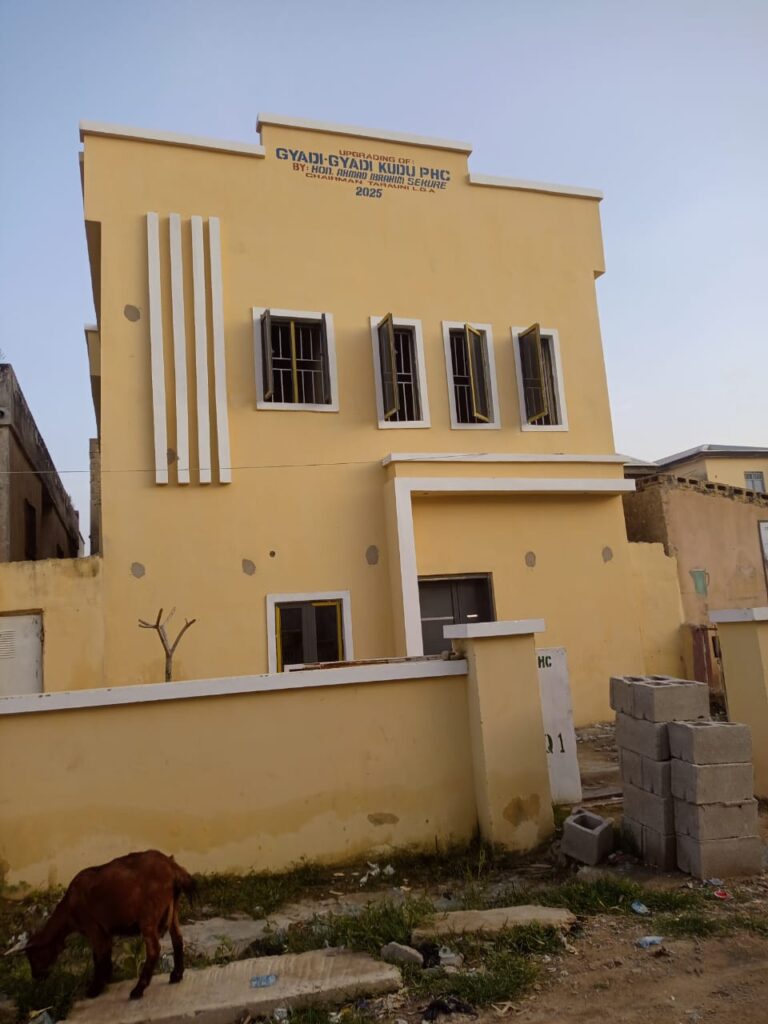
Patients need to know where to obtain care, while health workers need the equipment, staff and facilities required to provide services.At Gani PHC, renovation involved UNICEF, NPHCDA, the Kano State Government and FCDO. At Gala, the IMPACT programme supported renovation. In Tarauni, the local government chairman sponsored renovation work at Gyadi Gyadi and Daurawa. At Yar-Maraya, the NPHCDA, a senator and the local government chairman contributed to improvements.
These interventions demonstrate that improving primary healthcare facilities often involves several organisations and public institutions.
However, the field visits also revealed that some facilities continued to face problems after renovation, including leaking roofs, poor drainage, inadequate toilets, insufficient power supply, broken equipment and shortages of health workers.
The observations raise important questions about the arrangements for maintaining facilities after renovation projects are completed.
Who is expected to repair a leaking roof after a renovation project ends? Who is responsible for replacing damaged solar batteries, maintaining ambulances and repairing water systems? Which institution is expected to provide funds for routine maintenance and ensure that health centres have enough staff?
The fieldwork did not establish a clear answer to these questions for every facility visited.
The absence of a confirmed maintenance arrangement in the available field notes does not necessarily mean that no such arrangement exists. However, it highlights the need to establish who is responsible for each facility and how maintenance is funded and monitored.Some facilities have improved water access, electricity and equipment while others continue to struggle with poor infrastructure, unfinished renovation work, inadequate sanitation and staffing shortages.
The experiences of Gani, Gala, Yar-Maraya, Gyadi Gyadi, Shanono and Chiromawa show that renovation alone cannot guarantee lasting improvements in healthcare delivery.
Sustaining these improvements requires more than repairing buildings. It also involves maintaining equipment, ensuring reliable water and electricity, providing essential medicines, employing enough health workers and establishing clear responsibility for repairs and upkeep.
For communities that depend on primary healthcare centres, the real measure of renovation is not simply whether a building has been repaired or painted, but whether it can continue to provide safe and reliable healthcare over time.
“This story was produced for the Follow the Money Investigative Program and supported by the Africa Data Hub and Orodata Science.”
Gala PHC. Gani PHC with remaining defects. Gyadi Gyadi Kudu PHC, Tarauni LGA, The temporary operating place.


