
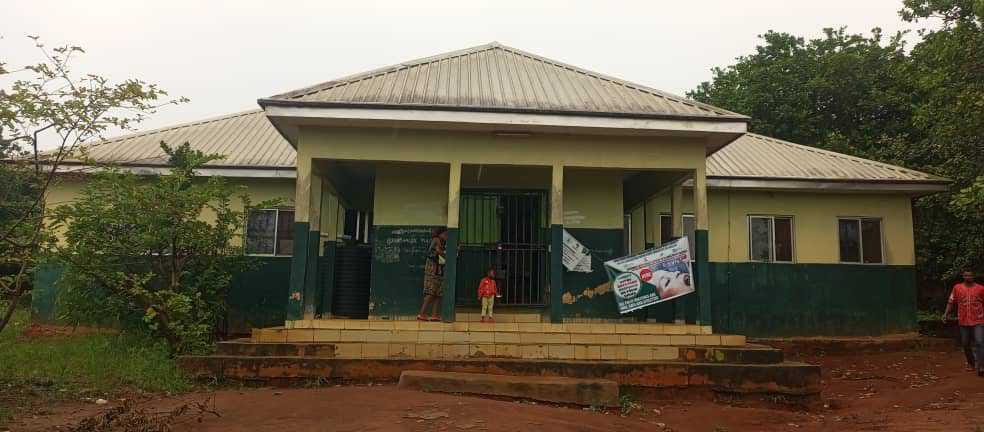
LAGOS, NIGERIA — Orodata Science, a civic technology organization , worked together with the Africa Data Hub (ADH) on a project to track public funds spent on Primary Healthcare Centers (PHCs) across Nigeria.
Following government promises to rebuild and fix up community health centers through the National Primary Healthcare Development Agency (NPHCDA) and the Ministry of Health, this initiative moved beyond paperwork to inspect facilities directly and report findings to the public. The team carried out this work under an official mandate from the Federal Government of Nigeria.
The main goal of the project was straightforward: to follow public money and confirm whether renovated health centers actually existed, worked as expected, and served local residents as promised.
Key Actions Taken During the Project:
-
Trained Local Field Teams: Orodata Science trained community workers and journalists across Nigeria to lead field visits.
-
Inspected 300 Health Centers: Field teams visited over 300 Primary Healthcare Centers nationwide. They recorded exact locations, checked building conditions, inspected equipment, and verified whether health workers were present on duty.
-
Talked Directly with Communities: The investigative team held community meetings to hear directly from residents and local leaders about their everyday experiences getting care at these facilities.
-
Published Findings and Reports: The collected field data was cleaned, verified, and published openly on the Africa Data Hub portal and the CheckMyPHC website. Journalists published detailed stories based on field visits alongside interactive data charts.
-
Held Public Townhall Meetings: Findings were presented at a public townhall meeting, bringing together government officials, community leaders, health experts, and residents to discuss solutions and accountability.
Why This Project Was Important
Primary Healthcare Centers are the first stop for medical care for millions of Nigerians, especially in rural villages. Even though large sums of money are set aside every year to fix local clinics, many communities still face broken buildings and poor medical care.


