
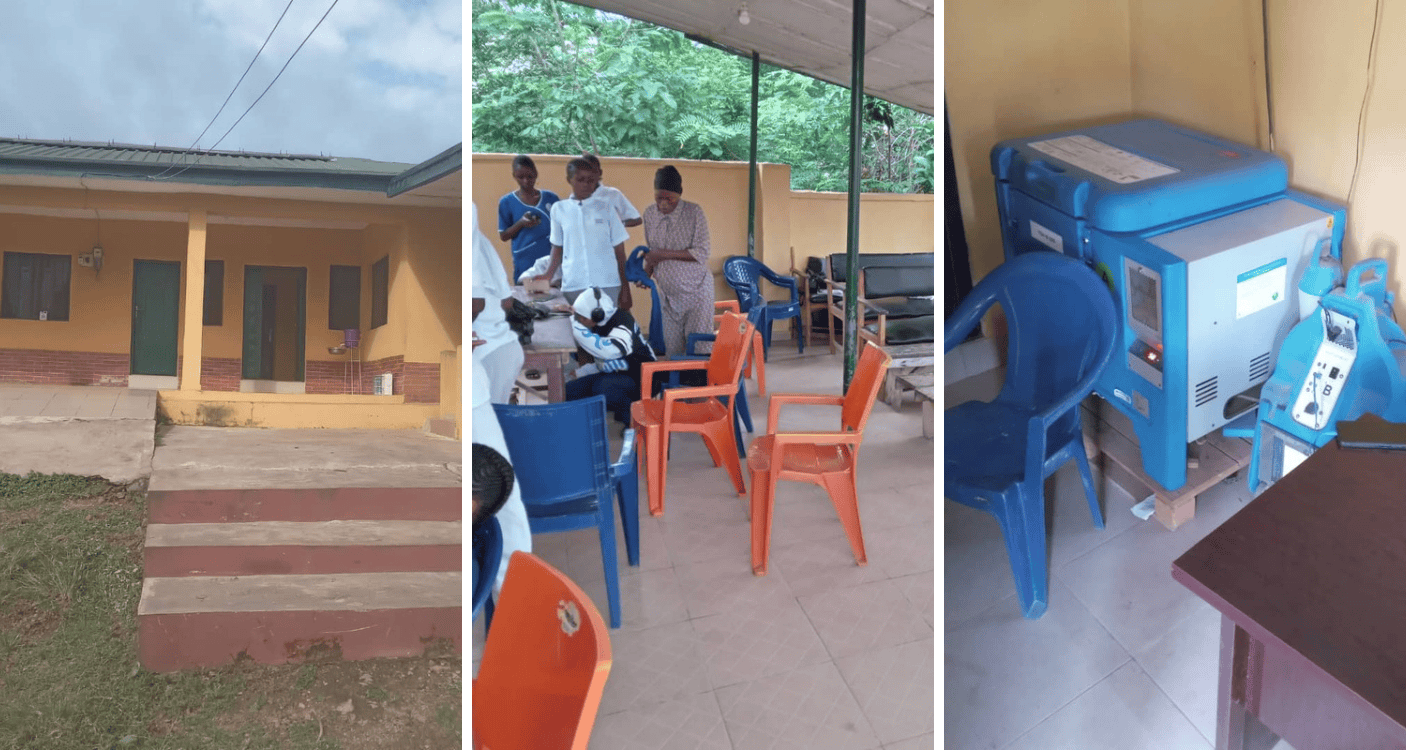
A collage of Erin Ijesa PHC, Okegada PHC and Itaapa PHC in Osun State.
For residents of Ede North Local Government Area of Osun State, getting basic healthcare no longer necessarily means travelling several kilometres to a bigger hospital.
At the Oke Gada Primary Health Centre (PHC), the Federal Government’s primary healthcare revitalisation programme has changed more than the appearance of the facility.
Beyond the newly painted and good-looking appearance of the facility, the health centre now has a full-time doctor, nurses, health assistants, medical record staff, a medical laboratory technician, and science laboratory technologists.
The availability of staff in the facility has helped residents to access services that were previously limited or unavailable.
The facility also has solar, which helps to guarantee constant supply of electricity.
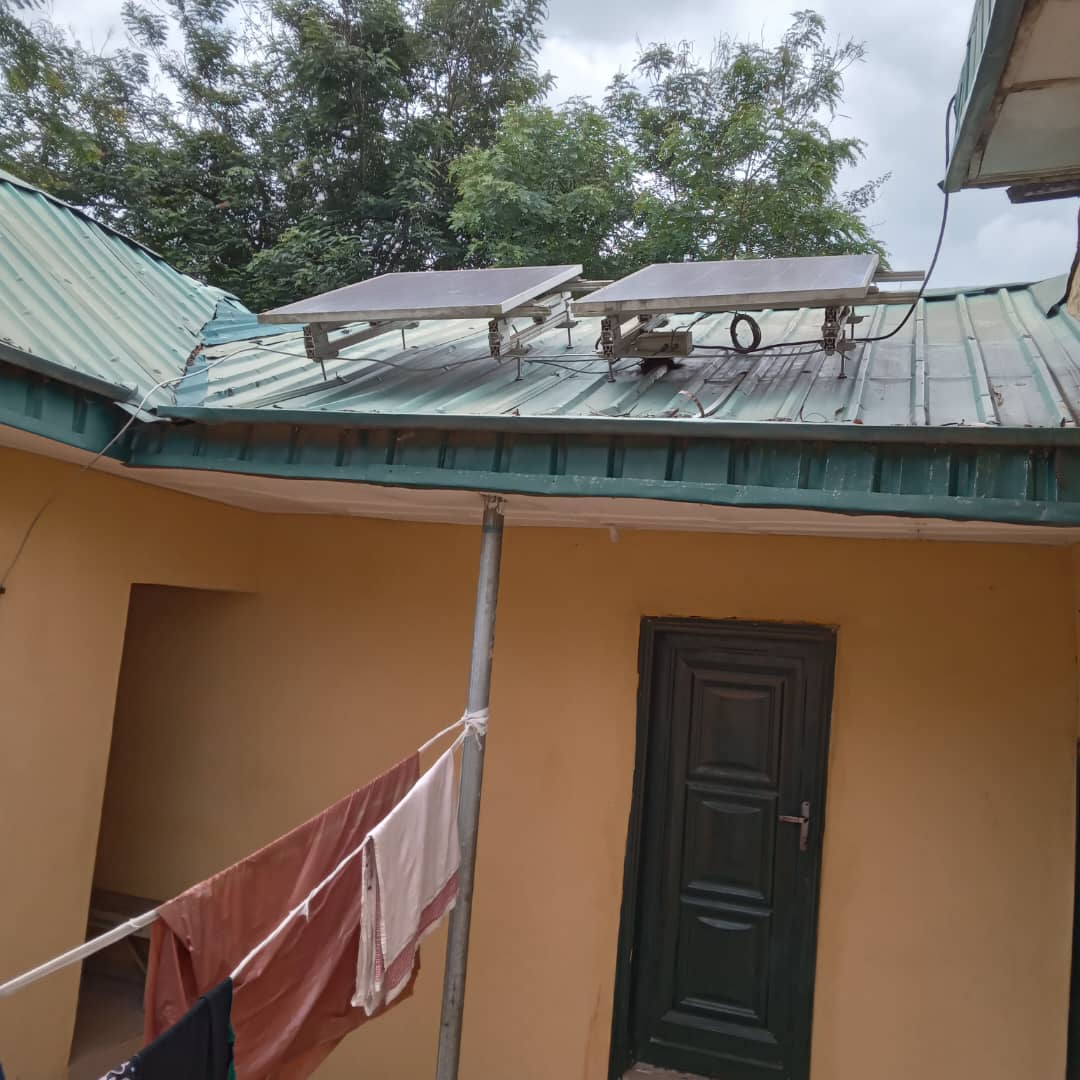
Since March 2026, the facility has not had a reason to refer any patient to another facility because there is sufficient manpower to attend to all cases.
Mrs Peace Oguntoye*, a Community Health Officer at the facility, while speaking with the Orodata data collector, shared that “the facility is now well improved, there is a medical doctor here permanently, and we can now perform surgeries.”
“Since March this year, we have not referred any patient because we have what it takes to treat most of the patients that come here for treatment,” she added.
She also noted that the facility attends to an average of almost 8,000 people annually.
The PHC Revitalisation Project
The changes at the facility are part of a wider Federal Government effort to revitalise primary healthcare centres across Nigeria. The project began in 2023 with a commitment to revitalise 17,600 PHC facilities in four years.
The scope of the revitalisation includes enhancing PHC Infrastructure (upgrade of facilities to PHC functional level 2), having adequate human resources (hiring, training, salaries, and retention), improving essential drugs, commodities and basic equipment, among others.
According to the National Primary Health Care Development Agency, NPHCDA, the “PHC revitalisation is focused on making PHCs functional and accessible, with renovations, essential infrastructure, equipment, solar power and trained personnel, especially in underserved areas.
“The goal is to reduce maternal and child mortality, increase service utilisation and achieve Universal Health Coverage (UHC), through community engagement, quality improvement and digital innovations.”
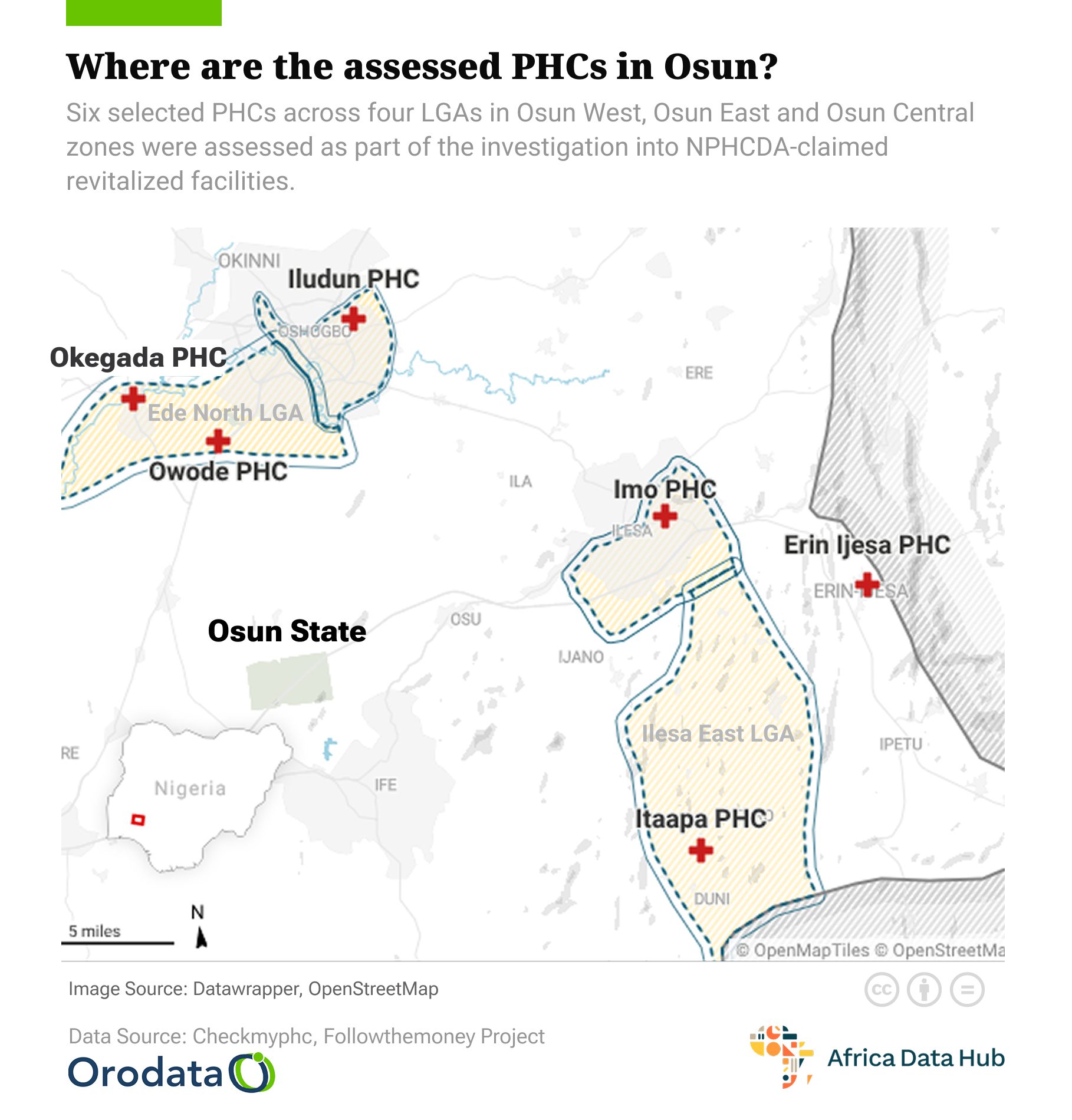
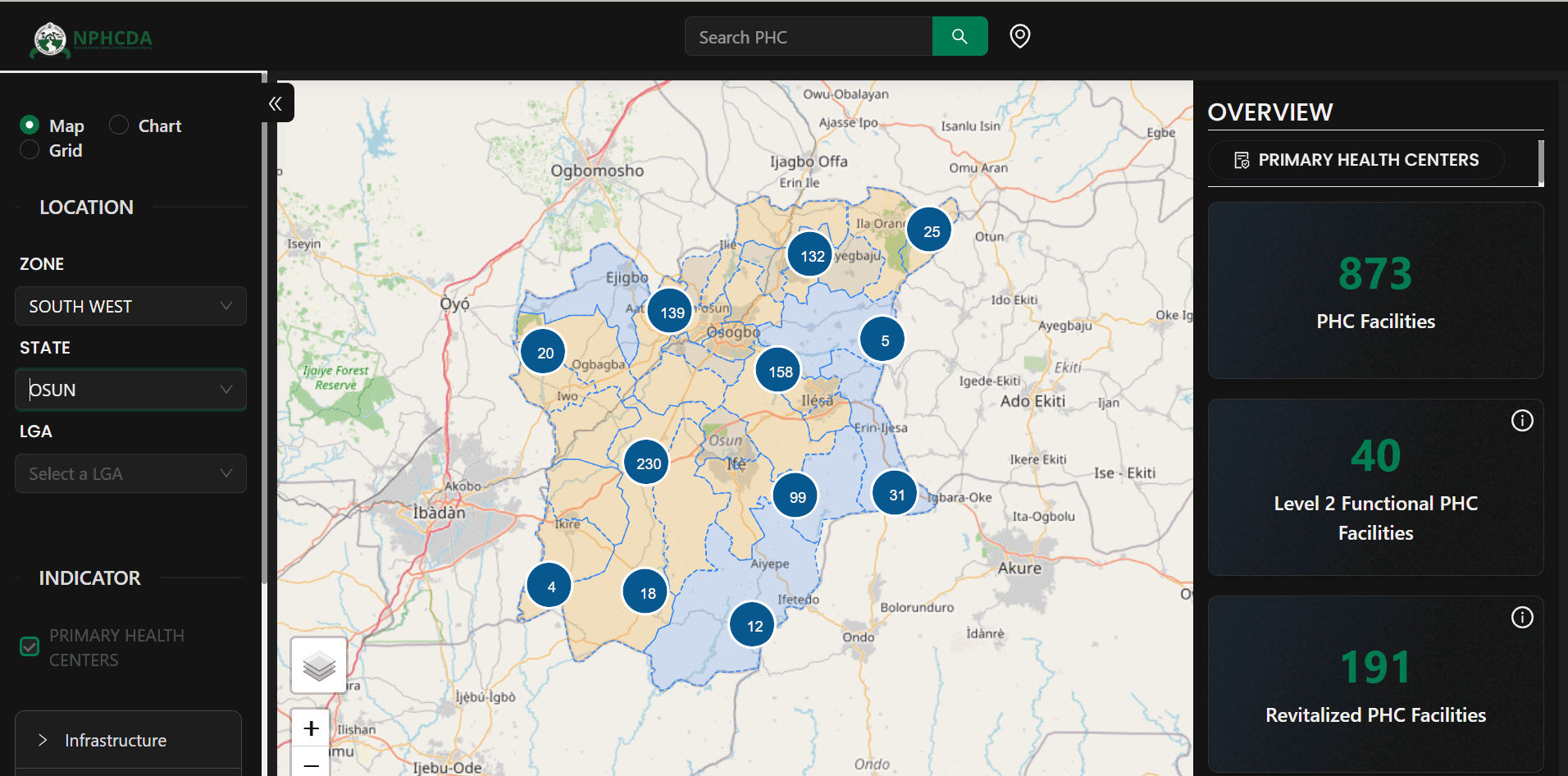
Since the revitalisation project began, almost 3000 facilities have benefitted out of over 27,000 facilities across the country. In Osun State, 191 PHCs have been revitalised under the programme, with interventions ranging from infrastructure upgrades to staffing, water supply, equipment and other improvements.
At other PHCs, revitalisation brings different gains
At Itaapa Primary Health Centre in Atakumosa East LGA, the most significant change is visible in the well-painted and good physical structure of the facility, well-equipped staff quarters, functional solar power to keep the facility running and a freezer to preserve vaccines and medications that require it.
The physical attraction of the facility, compared to the old building before renovation, has led to more residents seeking healthcare services.
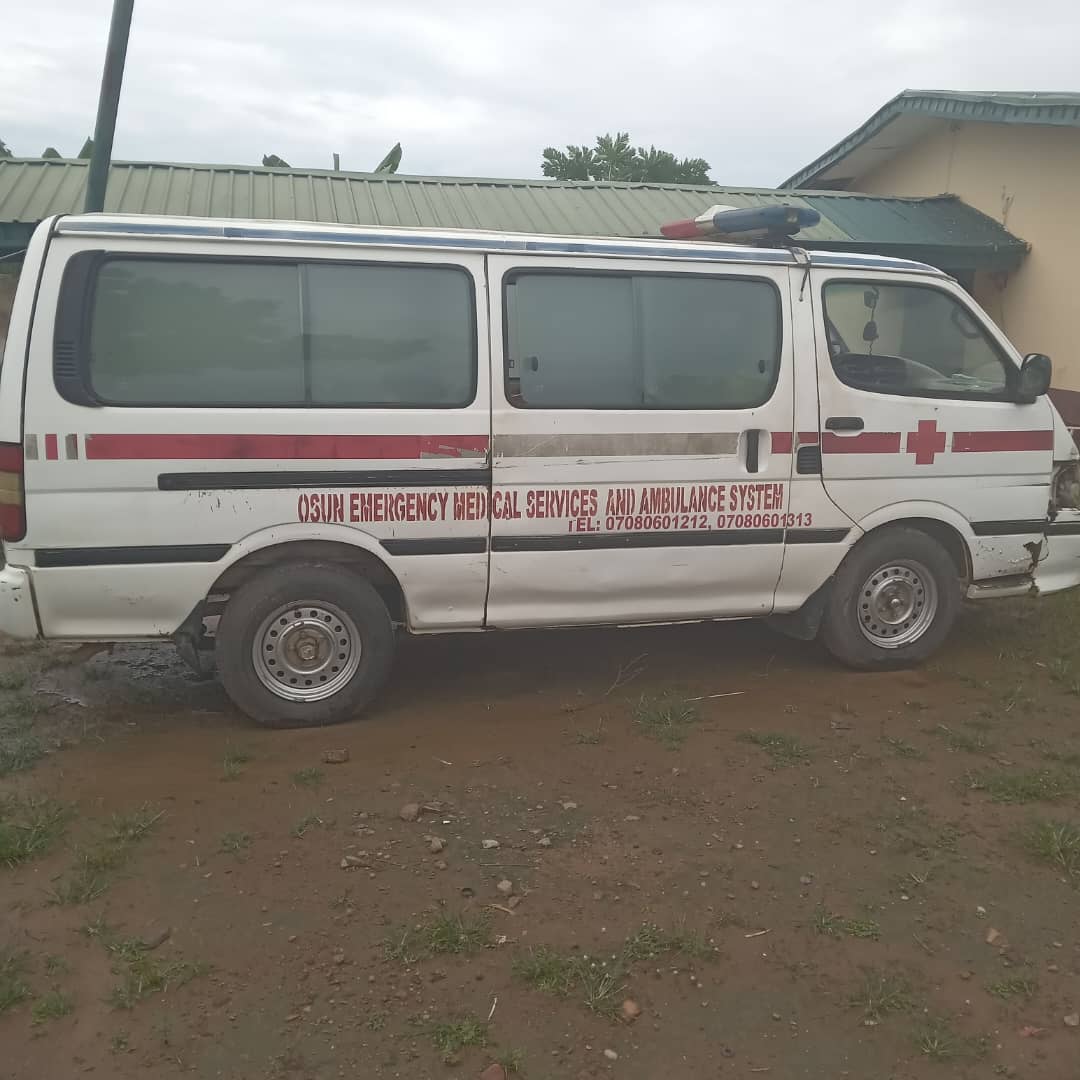
At Imo PHC in Ilesa East LGA, the impact of the intervention is most visible in the availability of a dedicated ambulance for the facility, which enables them to respond to emergencies and transport patients who require higher-level care to referral facilities.
The facility has eight workers, providing care to neighbouring communities. Since the renovation of the facility, they have been receiving more patients and they can boast of attending to nearly 5,000 patients on an annual average.
For Mr Gboyega Adeyokun*, a Community Health Extension Worker, the revitalisation has helped the facility to gain more respect and credibility among community members.
But revitalisation has not addressed every gap
Despite the visible impact of the revitalisation on healthcare delivery in communities across Osun State, the intervention has not addressed all the challenges facing the facilities.
In some PHCs, increased patronage has placed additional pressure on limited staff and drug supplies, while gaps in equipment, waste management and accessibility continue to affect service delivery.
At Itaapa PHC, for instance, only three staff members are available to attend to patients. The health workers said the limited workforce makes it difficult to manage the facility’s workload and called for additional staff to ease the pressure and improve service delivery.
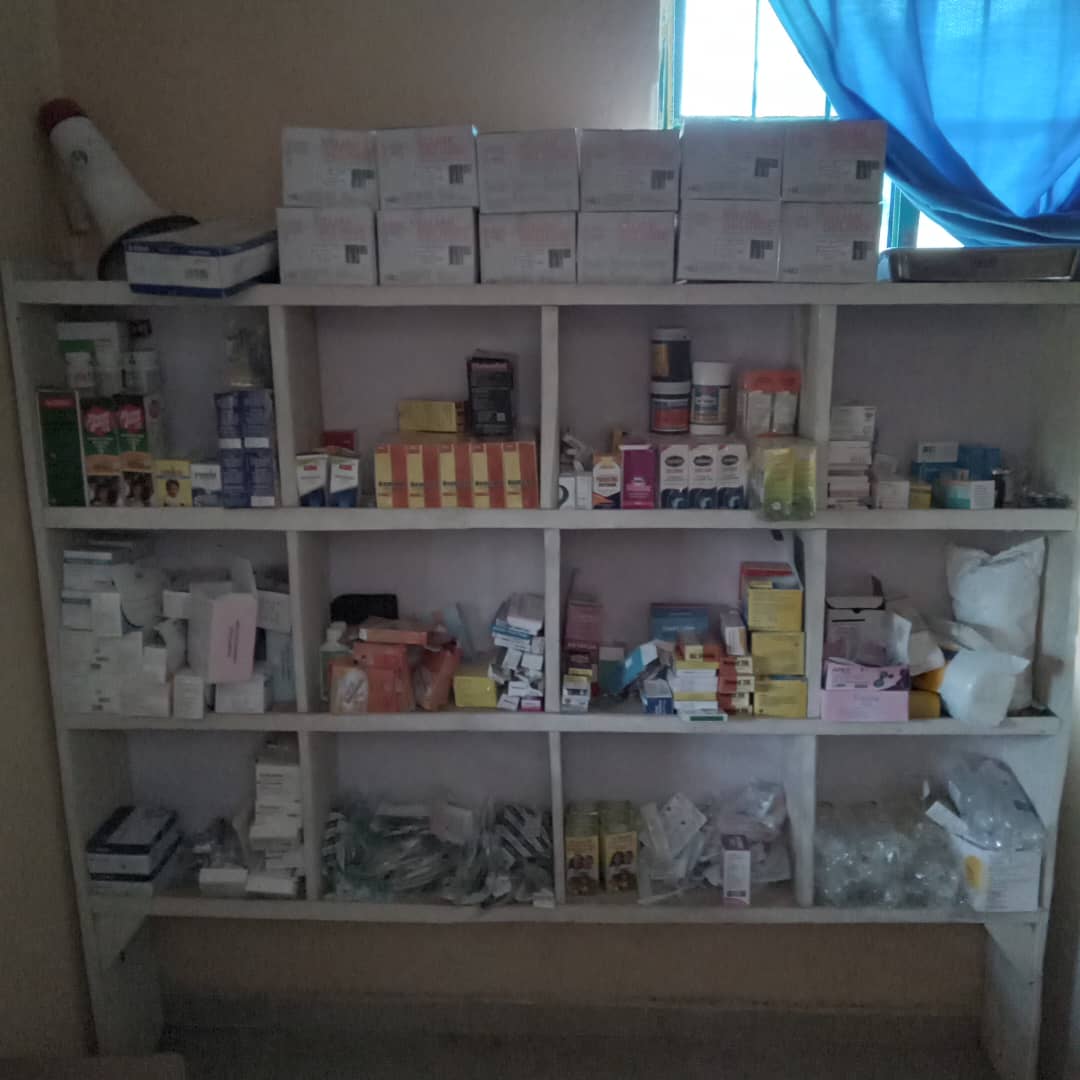
At Iludun PHC, increased patronage following the revitalisation has created a different challenge: drugs often run out before the end of the supply cycle. This disrupts service delivery and leaves some community residents who cannot afford to purchase medicines out of pocket without access to the drugs they need.
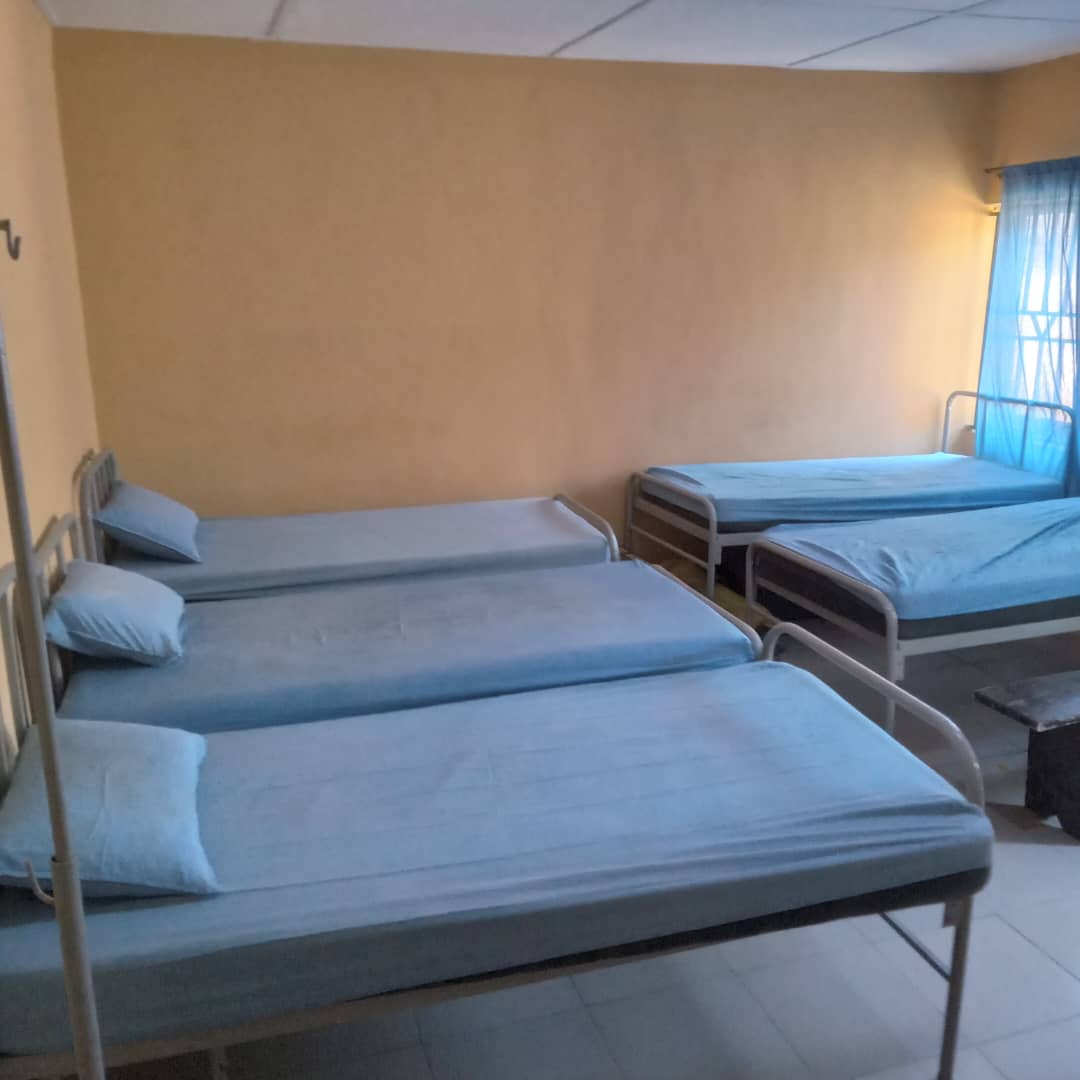
The facility has eight staff members but no medical doctor. Health workers said additional personnel, including a doctor, would help improve staffing arrangements and ensure that services can be provided more effectively.
At Owode PHC, Ede North LGA, health workers identified staffing, waste disposal, laboratory equipment, an ambulance and additional furniture among the facility’s outstanding needs. The facility currently burns its medical waste, while staff also reported receiving insufficient supplies of drugs.
At Imo PHC, increased patronage has also followed the revitalisation. But despite the higher number of patients using the facility, it does not have a medical doctor, a gap health workers identified as one of their major concerns.
The physical upgrade of the facility has also not fully translated into an accessible facility, as it does not have an accessible entrance for persons with disabilities
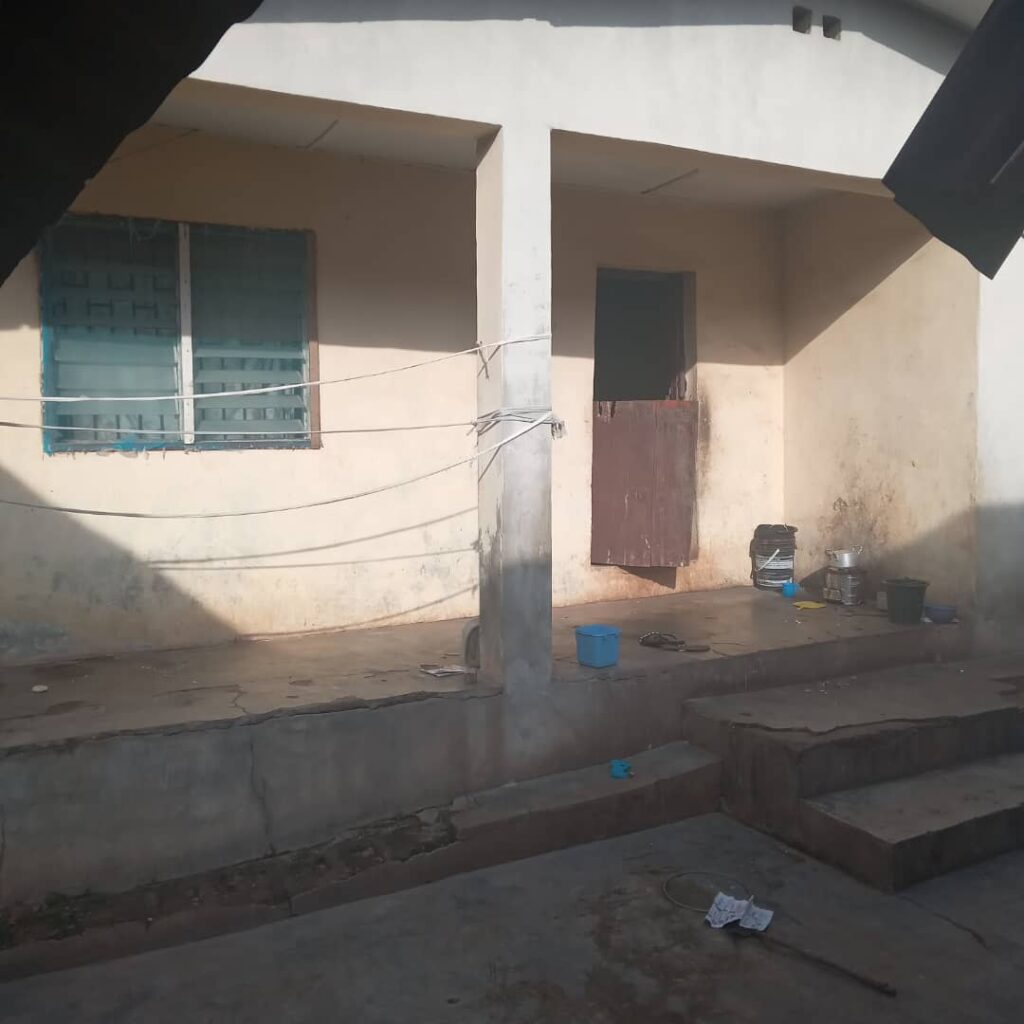
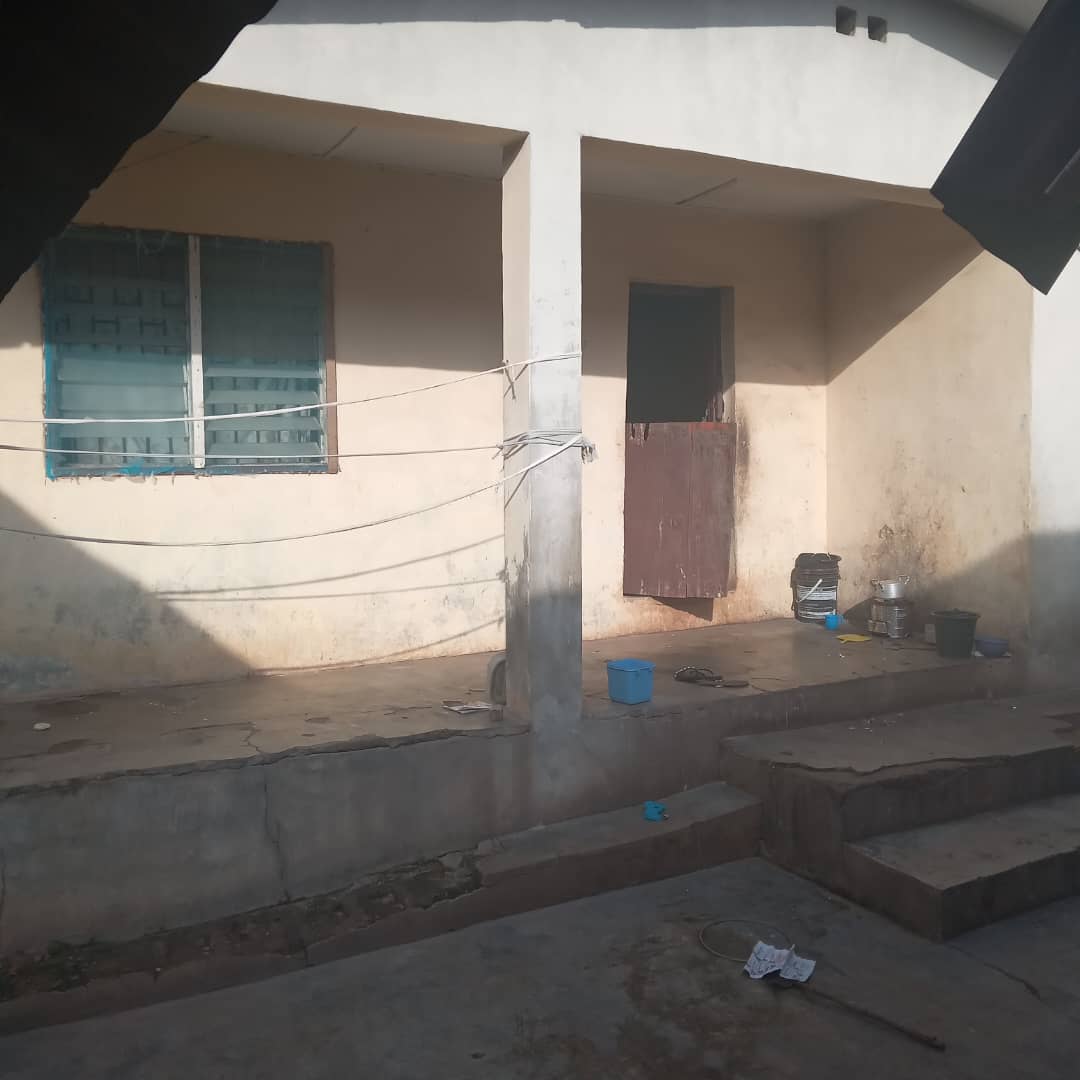
Similarly, the revitalisation of Erin-Ijesa PHC in Oriade LGA resulted in the addition of one staff member, bringing the total number of staff to three. However, health workers said the additional personnel remain insufficient to meet the needs of the PHC. They also want the staff quarters to be renovated, to make it conducive for workers.
The revitalisation must serve purpose
For the investments in PHC revitalisation to translate into lasting improvements in healthcare delivery, health workers and experts say interventions must respond to the actual needs of individual facilities rather than focus primarily on physical upgrades.
Dr Adeolu Olusodo, the Medical Director of a community-based health facility, Atayese Hospital, opines that “needs assessment needs to be done to be sure that the specific intervention applies to the needs of the facilities.”

Olusodo noted that while the revitalisation has delivered improvements in infrastructure, staffing, equipment and other areas, the needs of individual PHCs differ.
“A facility experiencing increased patient attendance may need more staff and medicines, while another may require laboratory equipment, waste management facilities, an ambulance or improvements to accessibility.
“This means that sustaining the gains of revitalisation will require interventions to go beyond completing upgrades and ensuring that facilities have the resources needed to use and maintain them,” he added.
Similarly, Mr Semiu Abidemi Adabanija, the Team Lead, SEAD Africa, a Non-Governmental Organisation, said that there is a need for the government to carry out needs assessment to audit what items they will provide to specific health centres, esppecially in therms of staff, equipment, medications, etc.
Mr Adabanija also noted that “there should also be community participation so that religious leaders, traditional rulers, people with disabilities, youth and women and different components of society can give input into the needs of these primary health centres”, addung thta the PHCs are meant to meet the health needs of the community members.
He reiterated that PHC revitalisation should not be approached as a one size fits all because the needs and different.
“They can make sure that each of our primary health centres gets adequate attention in terms of staffing, right equipment, supplies, and even monitoring so that our people at the grassroots can get the full benefit from government, and they will be glad that government intervention gets to the grassroots level,” he added.
The ongoing PHC revitalisation need to achieve necessary results by attaining functional level 2, as envisaged by the NPHCDA. As such, it is important that these PHCs are strengthened by adequate equipment, drugs supply, materials, essentials for laboratory services and with the right staffing. This would help many people to stay in their domain to receive health care.
Editor’s note: names in asterisks are not real names. Pseudonyms have been used to protect the identity of respondents.
This story was produced for the Follow the money Investigative Program and supported by the Africa Data Hub and Orodata Science.


